
① Two vulnerable areas, one shared narrative
Even before the Congolese set foot on American soil, their participation had been challenged twice. First by Nigeria, which filed a complaint with FIFA regarding the sporting eligibility of six players (a matter of sports integrity). Then by an Ebola outbreak in the eastern part of the country, which led the United States and Canada to suspend visas for nationals who had been in the DRC within the previous 21 days (a matter of access).
These two sequences created two distinct areas of narrative vulnerability: one concerning sporting legitimacy, the other concerning exclusion.
They quickly merged within African and diaspora digital spaces into a broader narrative, ripe for exploitation: Africa will remain stuck at its borders, no matter what happens on the ground.
② The first question every monitoring team must ask
Is this a genuine concern or an organized movement?
In the case of the DRC, both exist side by side, and confusing them is a major strategic mistake.
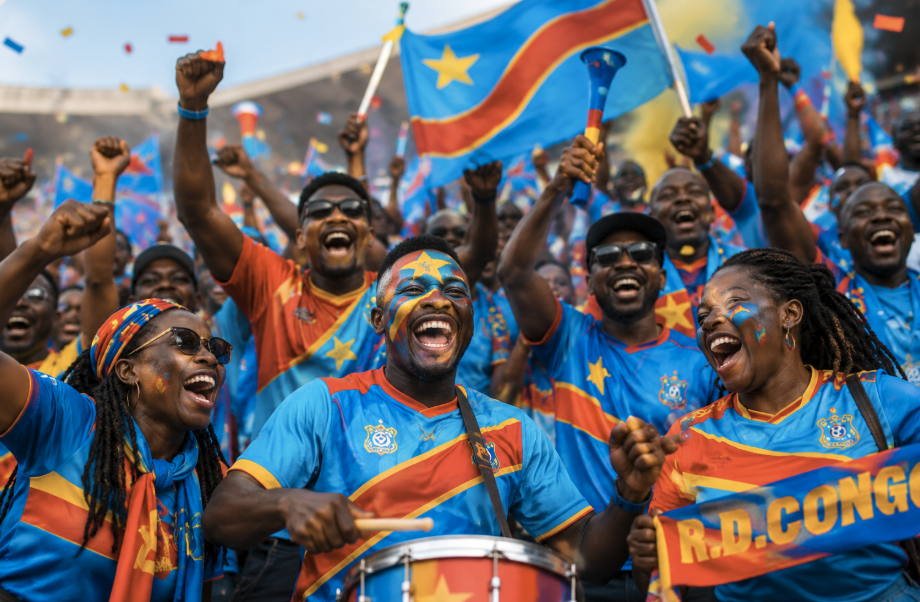
The genuine concern comes from fans in Kinshasa and Lubumbashi, from the diaspora on WhatsApp and TikTok, and from citizens who have been waiting 52 years to see their team at the World Cup and are now discovering they won’t be able to attend.
It is real, emotionally charged, and legitimate. The organized movement, however, overlays this emotion: a narrative along the lines of “the West is preventing Africa from celebrating its victory” fits perfectly into narrative frameworks already in circulation.
Responding to a genuine public concern with the tactics of a coordinated attack has two disastrous effects: it criminalizes the legitimate complaint and amplifies the organized narrative by providing it with an official response.
③ The big picture
The DRC is not an isolated case. Major sporting events are powerful narrative amplifiers, and issues of access, visas, and representation inevitably take on a political dimension.
What makes this situation a textbook case is the combination of factors: health restrictions imposed by the United States and Canada even as the WHO urges against implementing them, thousands of tickets that have become unusable, and a return to the World Cup that has been 52 years in the making. The story writes itself.
For any organization committed to issues of access, rights, or representation, this narrative is already out there. The question isn’t whether to be the one telling it. It’s about not becoming collateral damage.
Ekedi Kotto Maka