
Your teams facing narrative hostility: preparing for it before it happens.
Most organizations facing narrative pressure realize too late that their teams lacked the tools to interpret it. They responded too quickly, too forcefully, or not forcefully enough, and ended up amplifying the very thing they were trying to counter.
Rectifa’s training programs are designed to prevent this from happening. They ensure your teams can identify what’s being plotted against you, assess what truly poses a threat, and choose the right response—before the situation escalates beyond what it should have been.
Tailored support
Rectifa works directly with your teams, offering formats tailored to your specific challenges and industry.

Workshops and simulations
In real time: analyze a hostile situation, choose the right response, and avoid common pitfalls that exacerbate the very thing you’re trying to neutralize.

Diagnosis and mapping
Identifying the narrative risks specific to your organization, blind spots, vulnerabilities, and what could be used against you.

Action Plan
Development of a structured response tailored to your specific narrative context and the stakeholders involved.

Flexible format
In-person or remote sessions, tailored to your specific needs, team size, and industry.
Upon request: customized quote
Scenarios inspired by situations that could be real
Before you start training your teams, you first need to assess where they currently stand. These scenarios are designed to reveal the blind spots you hadn’t noticed.
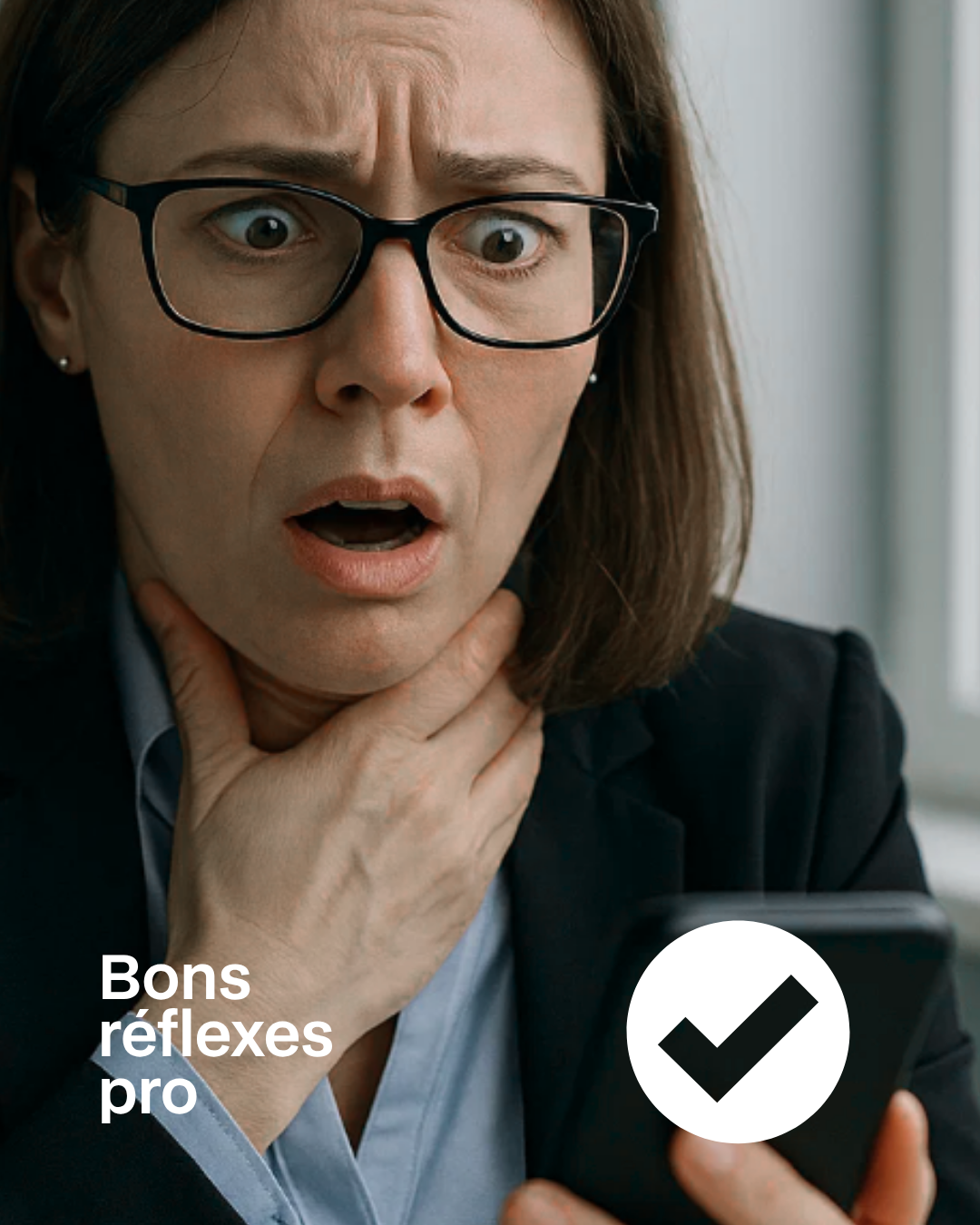
An alarming study about your company is creating a buzz on social media and in the press. How should you respond without fueling the crisis or downplaying the issue?
Discover the pitfalls to avoid and the right reflexes for a quick, factual, and credible response.
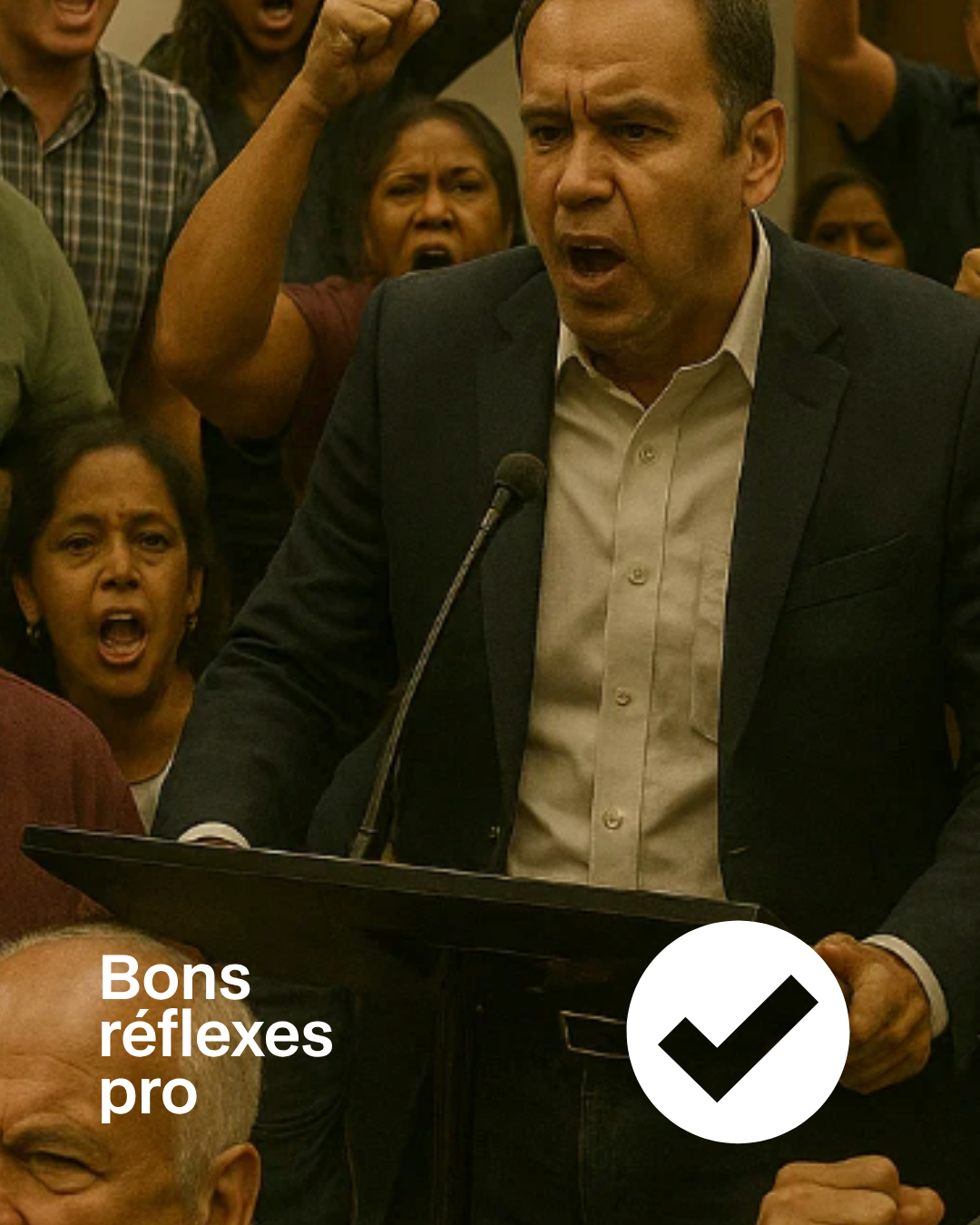
An energy transition project is launched. Rumors spread, creating mistrust and internal resistance.
Will you be able to identify the rumor, gauge its impact, and choose the right approach for your response?
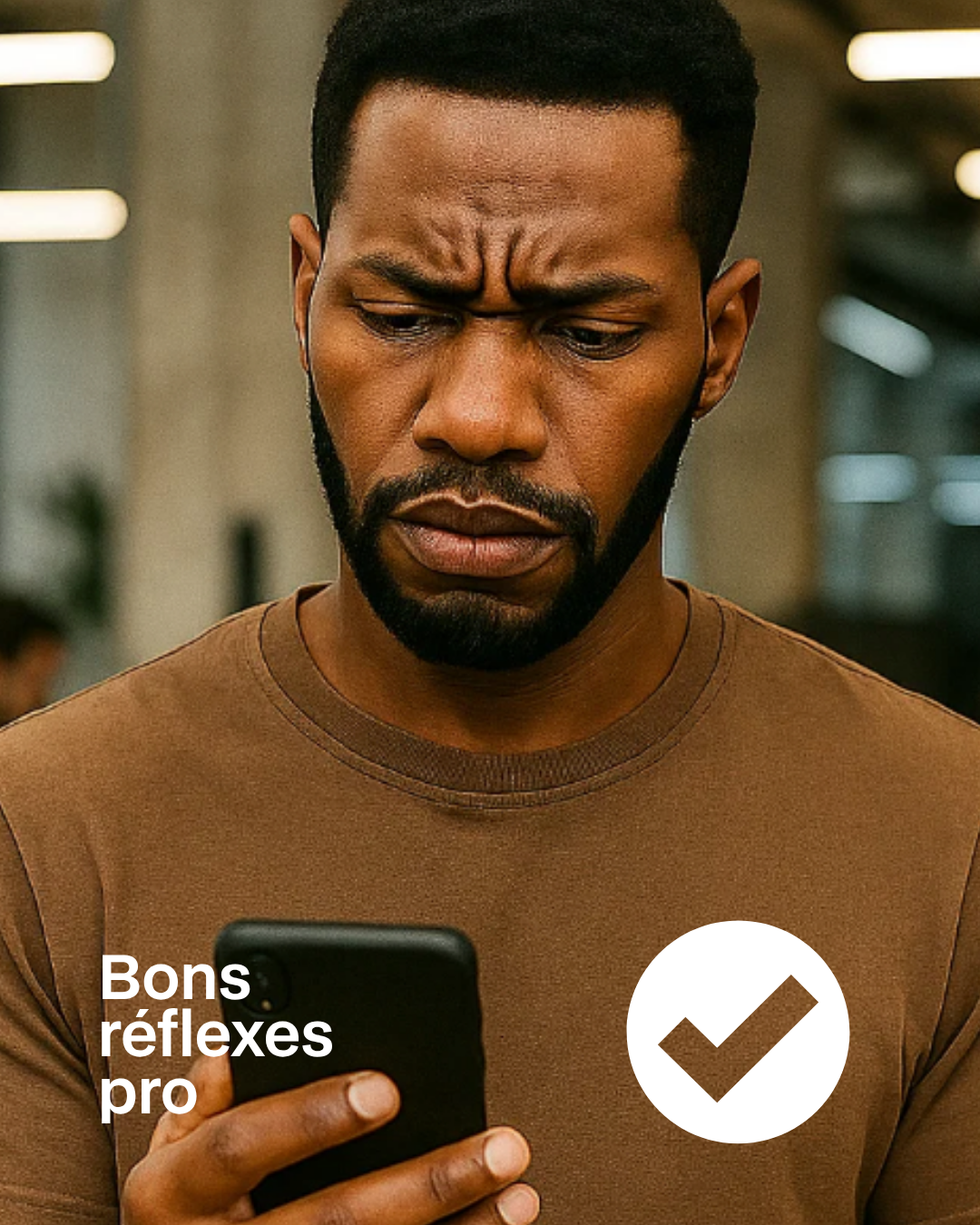
Behind facts or testimonies may lie narratives that influence how the situation is interpreted.
Can you distinguish between what belongs to the story and what belongs to the narrative?

A document, presented as coming from a "whistleblower," is circulating with the hashtag #EauToxique (toxic water). It is generating interest.
How can you analyze the situation, verify, react, and communicate without rushing or denying?